Vaginal care and tips

Vaginal care and tips for maintaing its health

Hello my beautiful ladies this post is for you to maintain your vaginal health. First of all i want to share some thoughts of mine and some facts. In this world many ladies find talking about vagina is not a good thing. My question is Why ? As other parts of our body vagina is also. Why being ashamed of this. Menstruation, pregnancy, sexual activities all takes place because of our vagina. All the reproductive organs of women works because of vagina. There is nothing to be ashamed of. Even i have read somewhere that there are so many women in india and in the world who never ever touch thier vagina. Maybe It is because they thought that it it not good place to touch or talk about.
Ladies !
Be confident. It is our body and this is our responsibility to maintain it’s health. So let’s start talking about the topic.

So first all all let’s know about Vagina :

 
 The vagina is a muscular, elastic tube that connects the external female genital area (vulva) to the cervix (the lower part of the uterus). It’s a vital part of the female reproductive system, playing a role in:
 
  • Sexual activity
  •  Menstruation (periods)
  •  Childbirth
  • Overall reproductive health
 
The vagina is self-cleaning, has a natural balance of bacteria (flora), and can expand and contract to accommodate various activities. It’s surrounded by pelvic muscles, ligaments, and connective tissue, supporting its structure and function.
 
Remember, the vagina is a remarkable and resilient part of the female body, and taking care of it is essential for overall health and well-being.

aginal health is a crucial aspect of a woman’s overall well-being, encompassing various physiological and psychological factors that contribute to reproductive health. The vagina is a muscular canal that connects the external genitals to the uterus, playing a pivotal role in menstruation, sexual intercourse, and childbirth. Its unique anatomy includes layers of tissues, glands that produce lubrication, and a balanced microbiome that helps maintain a healthy environment. The presence of beneficial bacteria, primarily Lactobacillus, protects against infections and supports the healthy function of the vagina.

Maintaining vaginal health is vital not only for reproductive processes but also for preventing discomfort and various health issues. Women often face unique challenges, including hormonal fluctuations related to menstruation, pregnancy, and menopause, which can directly impact vaginal health. It is essential to recognize that changes in discharge, odor, or irritation can signal an underlying concern that deserves attention. Many women may experience anxiety or embarrassment when discussing these issues, yet understanding and addressing them is crucial for maintaining both physical and emotional well-being.
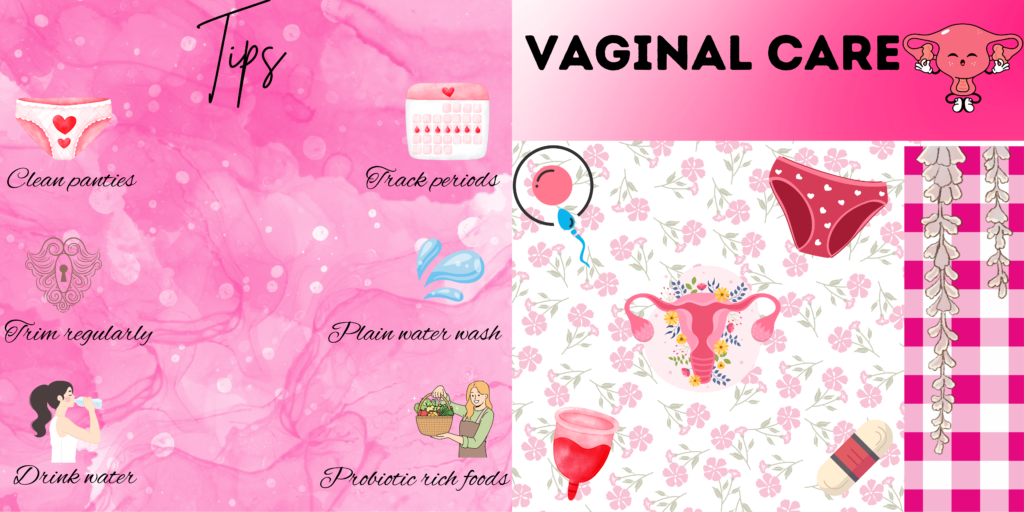


Tips for vaginal care

Now the question is how to take care of our vagina.


Hygiene:

Hygiene is a thing which is very necessary to maintain not only for vagina but for all the activities of human being. As you read first vagina is self cleaning organ. We don’t need to rub it, wash it with soap or anything extra. It is only some steps to follow for the care of vagina.

wash it everytime you pee and take a clean towel or tissue paper to dry it. Remember using towel or tissue is mandatory because if you don’t then bad bacteria will grow much more cause we all know in humidity bacteria grows more faster. It will cause infection or other serious diseases. So it you can follow the pat dry part only the follow this.


Panties:

Panties is the only cloth which is most connected to our vagina so it’s care and hygiene is also very important. There are many types of panties are available in the market and we all know we should wear only cotton one for the all day (daily)use. Cotton is breathable material that’s why doctor advise it but they never tell when to change it how to maintain it. Cotton panties are breathable but it get yellow within 1 month and in some more acidic vagina it only take 15-20 days to change into yellow. But no this is not the time time to change. It is very normal to have yellow stains on panties because vagina is acidic and discharge is also have almost the same pH. We should change our underwear in every 6 month.
 

For wash:

Washing underwear is just a normal thing we have to wash it normally but please give panties exposure of sunlight to kill it’s microorganisms which can cause serious issue on long term. You always should give 3 hours of sunlight to undergarments.
 

Other fabric’s panties:

We all know cotton is best for daily use but what if you want to try some fancy stuff. For that i want to tell you one thing you can wear other fabrics for some particular time. But after that avoid wearing underwear. Let the kitty breath.
 

Soap or washes:

Soap have harsh chemical and it is very bad to wash vagina like sensitive organ with it. And intimate washes is also not good for the daily use. You can use intimate washes only once in a while or if your are down. But infection type of cases are other thing in infection you have to ask doctor.


 Health:

Internally vagina is very easy to maintain. For this first you should know what are you eating. Eating oily, fried foods can disturb our all over health in which our vagina is included. Avoid eating it to maintain full body.
 

 Have foods like:

Yogurt
Cranberries
Sweet potatoes
Garlic
Leafy greens vegetables
Avocado
Kimchi
Fruits
Brocolli
Fish
Multi grains
Citrus

Drinks like:

Water
Kombucha
Citric juices
Cranberries
Apple cider vinegar
Green tea

Practicing safe sex

is essential for protecting yourself and your partner from sexually transmitted infections (STIs) and unintended pregnancies. Here are some key tips:

Use Condoms: Always use condoms during vaginal, anal, or oral sex. They are effective in reducing the risk of STIs and pregnancy.

Get Tested: Both partners should get tested for STIs before becoming sexually active. Regular testing is important if you have multiple partners.

Limit Number of Partners: Reducing the number of sexual partners can lower your risk of exposure to STIs.

Communicate Openly: Discuss sexual history, STI status, and contraception methods with your partner. Open communication fosters trust and safety.

Consider Other Forms of Protection: For added protection against pregnancy, consider using additional contraceptive methods (like birth control pills, IUDs, or implants) along with condoms.

Avoid Alcohol and Drugs: Being under the influence can impair your judgment and lead to risky sexual behaviors.

Know Your Cycle: If you’re using natural family planning, be aware of your menstrual cycle to avoid sex on fertile days, but remember it’s less reliable than other methods.

Use Dental Dams for Oral Sex: A dental dam can provide a barrier during oral sex, reducing the risk of STI transmission.

Be Aware of Symptoms: Stay alert for any unusual symptoms in yourself or your partner (like sores, unusual discharge, or itching) and seek medical advice if they occur.

Vaccination: Get vaccinated against STIs such as HPV and hepatitis B to further protect yourself.


This is all for this post you can check my other post regards to women’s health;

What is Periods and how to treat period cramps.

Pregnancy do’s and dont’s for healthy pregnancy


Scroll to Top