
Certainly, feminine health encompasses a range of topics related to the well-being of individuals assigned female at birth. It’s essential to note that if you have specific health concerns, it’s always advisable to consult with a healthcare professional. Here are some general aspects of feminine health:
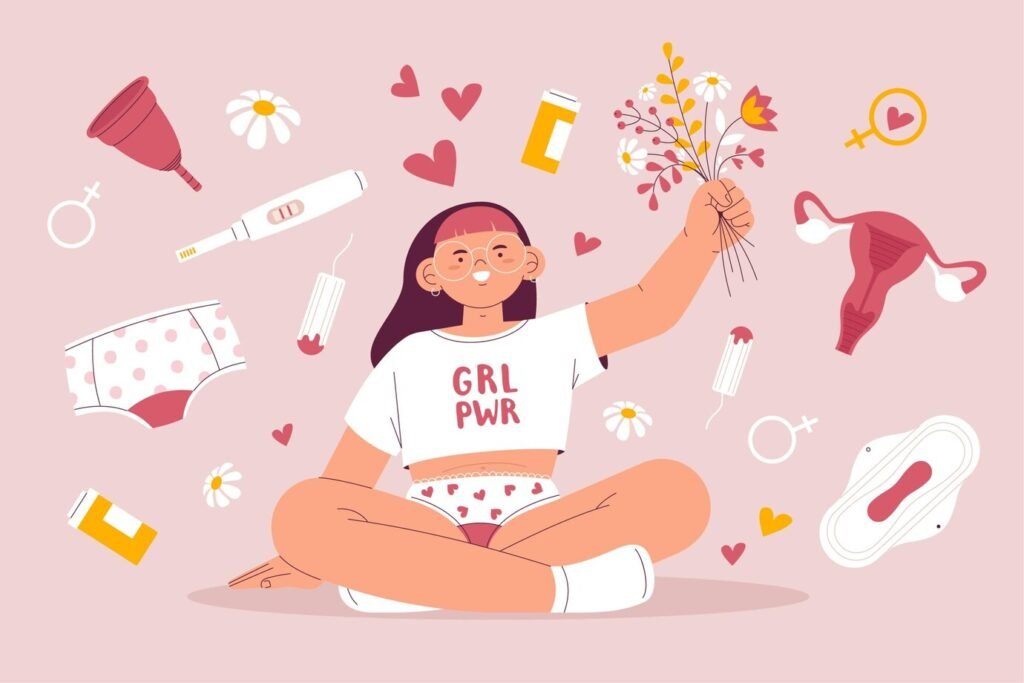
- Menstrual Health:
- Understanding the menstrual cycle.
- Managing menstrual symptoms and discomfort.
- Choosing appropriate menstrual products (tampons, pads, menstrual cups).
- Reproductive Health:
- Birth control options and family planning.
- Understanding fertility and ovulation.
- Sexual Health:
- Safe sex practices and protection against sexually transmitted infections (STIs).
- Regular screenings for STIs.
- Pelvic Health:
- Pelvic floor exercises to promote strength.
- Awareness of conditions like pelvic inflammatory disease (PID) or endometriosis.
- Breast Health:
- Breast self-exams.
- Regular breast screenings and mammograms.
- Gynecological Check-ups:
- Regular visits to a gynecologist for screenings and overall reproductive health.
- Hygiene Practices:
- Proper hygiene routines to maintain vaginal health.
- Mental and Emotional Well-being:
- Addressing mental health concerns such as anxiety or depression.
- Seeking support for issues like premenstrual syndrome (PMS) or premenstrual dysphoric disorder (PMDD).